
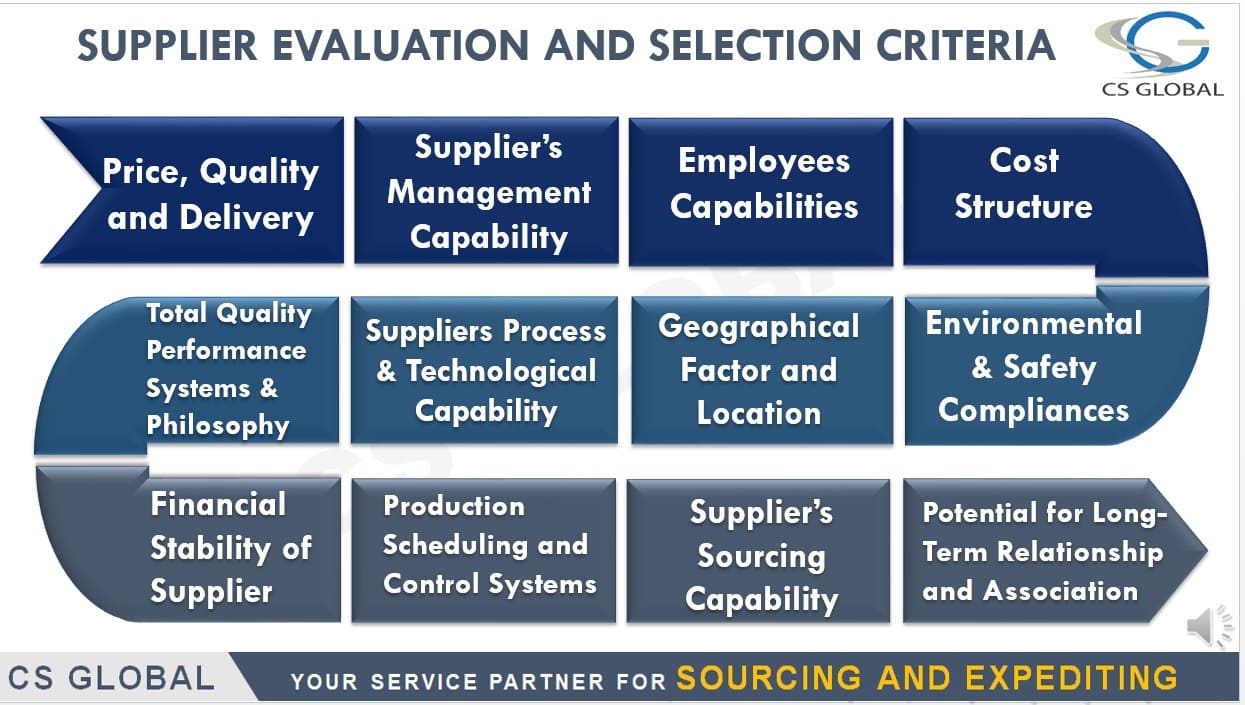
Selecting the right supplier is critical to maintaining quality, ensuring on-time deliveries, and optimizing costs. Here's a breakdown of the key criteria you should consider when evaluating and selecting suppliers:
1. Management Capability
Evaluate the supplier’s management team, their decision-making process, and their overall leadership effectiveness. Strong management indicates reliability and efficiency.
2. Employee Capabilities
Assess the qualifications and skill levels of the supplier’s workforce to ensure they are capable of meeting your product requirements consistently.
3. Geographical Location
Consider the supplier’s location in relation to your business. Proximity can impact delivery times, shipping costs, and ease of communication.
4. Technological and Process Capability
Look into the supplier’s technology and process capabilities, ensuring they have the tools and systems in place to produce high-quality products efficiently.
5. Production Scheduling and Control
Examine the supplier’s production planning and control systems to ensure they can meet your deadlines and adapt to fluctuating demands.
6. Sourcing Capability
Evaluate their ability to source raw materials or components from reliable sources, ensuring that the supply chain remains stable and resilient.
7. Long-Term Partnership Potential
Select a supplier who demonstrates the potential for building a long-term, mutually beneficial relationship, offering flexibility, growth, and stability.
8. Cost Structure
Understand the supplier’s cost structure to ensure competitive pricing without compromising quality.
9. Environmental & Safety Compliance
Ensure the supplier adheres to relevant environmental regulations and safety standards, promoting sustainability and reducing legal risks.
10. Price, Quality, and Delivery
The classic triad of procurement. Balance these factors to ensure you receive high-quality products at a fair price and within the agreed delivery time.
11. Total Quality Performance Systems
Assess the supplier’s quality management systems and their commitment to continuous improvement in product quality.
12. Financial Stability
Ensure the supplier is financially stable, reducing the risk of disruptions due to insolvency or cash flow problems.
Related Blog

GLOBAL PROCUREMENT
Our Unique Sourcing Process: Simplifying Global Procurement
At iSource India, we follow a structured and comprehensive sourcing process designed to meet your business needs while ensuring quality, efficiency, and cost-effectiveness. Our approach involves close collaboration with clients and suppliers, delivering unmatched value at every step. Here’s an overview of our unique sourcing process
Learn more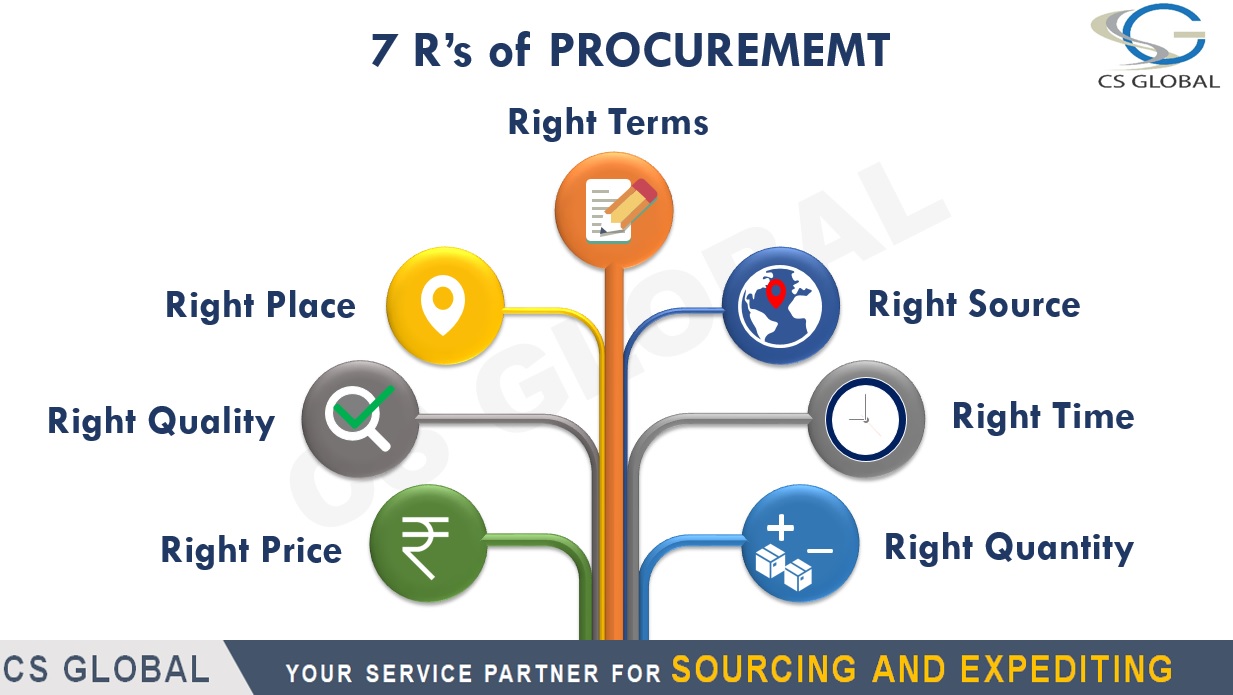
PROCUREMENT SOURCING
The 7 Rights of Procurement: Key to Efficient Sourcing
In the world of procurement, getting everything right is crucial for ensuring business success. Following the 7 Rights of Procurement helps organizations streamline their sourcing processes, reduce risks, and achieve maximum efficiency. Here’s a breakdown of the 7 Rights:
Learn more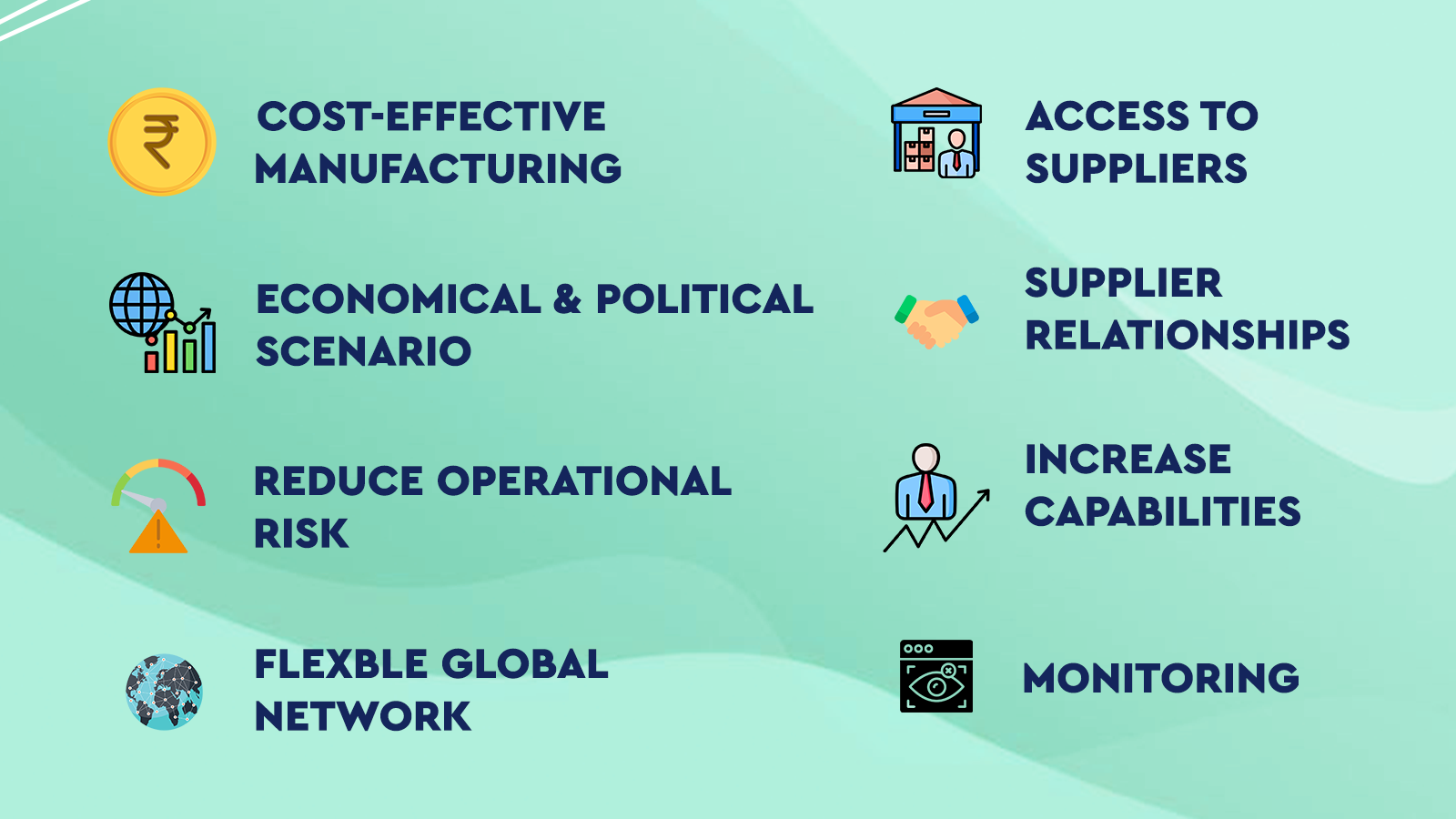
PROCUREMENT SOURCING
The Role of Procurement Support Organizations in Business Success
Procurement support organizations play a crucial role in helping businesses streamline their sourcing processes, reduce risks, and improve operational efficiency. From cost-effective manufacturing strategies to building robust supplier relationships, these organizations provide a range of services that can significantly impact a company's bottom line. Here’s an overview of the key roles procurement support organizations play:
Learn more