
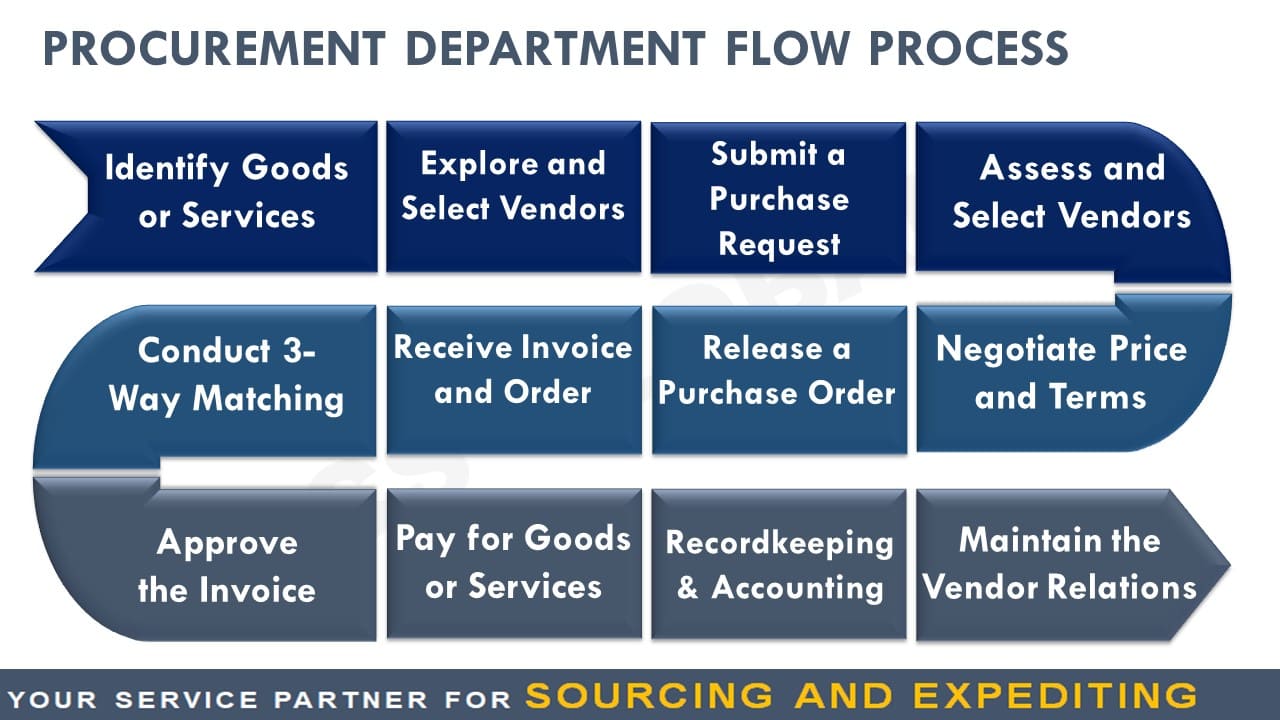
The procurement department is the backbone of any organization's supply chain management, ensuring goods and services are sourced efficiently and cost-effectively. Here’s an overview of the key steps involved in the procurement process flow:
1. Identify Goods or Services Needed
The process begins by determining the specific goods or services required by the organization. This step ensures that procurement is aligned with operational needs.
2. Explore and Select Vendors
Once the requirements are clear, the procurement team explores the market and evaluates potential vendors. Selecting the right supplier is crucial to ensuring quality and timely deliveries.
3. Submit a Purchase Request
A purchase request is submitted internally to authorize the procurement team to proceed with acquiring the needed goods or services.
4. Negotiate Price and Terms
Before placing an order, the procurement team negotiates pricing, terms, and delivery timelines to ensure the best deal for the company.
5. Release a Purchase Order
After finalizing the vendor and terms, a formal *Purchase Order (PO)* is issued. This document acts as an official request to the supplier, detailing the products, quantity, price, and delivery terms.
6. Receive Invoice and Goods/Services
Once the supplier delivers the goods or services, the procurement team ensures that everything matches the order specifications. An invoice is received from the supplier, which should match the purchase order.
7. Conduct 3-Way Matching
A critical step in ensuring procurement accuracy is *3-way matching*, which compares the purchase order, the supplier's invoice, and the goods receipt to ensure consistency across all documentation.
8. Approve the Invoice
If everything matches up during the 3-way match, the invoice is approved for payment. Any discrepancies must be resolved before proceeding.
9. Pay for Goods or Services
After invoice approval, payment is made to the supplier as per the agreed terms.
10. Recordkeeping & Accounting
All transactions are documented for audit and compliance purposes. This ensures that procurement activities are transparent and can be tracked.
11. Maintain Vendor Relationships
Strong vendor relationships are critical for long-term success. The procurement team continues to engage with suppliers, ensuring smooth operations and the potential for future collaboration.
Efficient procurement processes help organizations optimize costs, reduce delays, and maintain high-quality standards. Following these steps ensures smooth operations and fosters strong relationships with suppliers.
#ProcurementProcess #SupplyChainManagement #VendorRelations #EfficientSourcing #CostOptimization #ProcurementFlow #InvoiceManagement #3WayMatching #SupplierManagement #BusinessSuccess
Related Blog

GLOBAL PROCUREMENT
Our Unique Sourcing Process: Simplifying Global Procurement
At iSource India, we follow a structured and comprehensive sourcing process designed to meet your business needs while ensuring quality, efficiency, and cost-effectiveness. Our approach involves close collaboration with clients and suppliers, delivering unmatched value at every step. Here’s an overview of our unique sourcing process
Learn more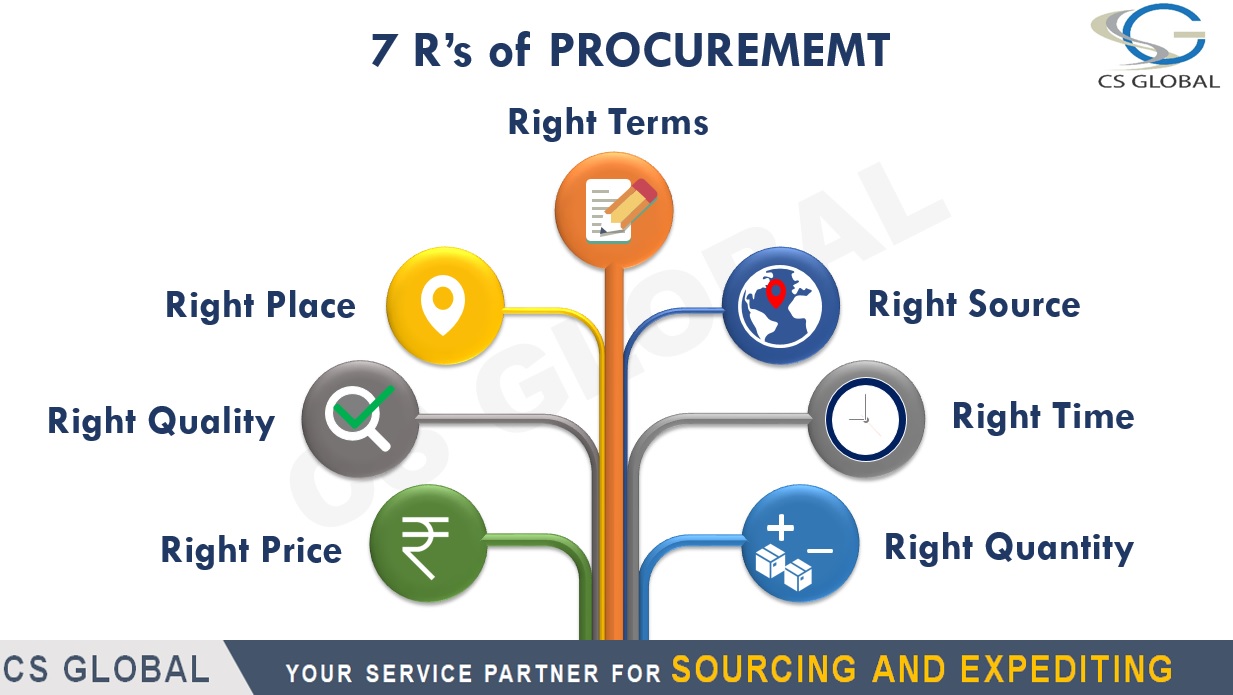
PROCUREMENT SOURCING
The 7 Rights of Procurement: Key to Efficient Sourcing
In the world of procurement, getting everything right is crucial for ensuring business success. Following the 7 Rights of Procurement helps organizations streamline their sourcing processes, reduce risks, and achieve maximum efficiency. Here’s a breakdown of the 7 Rights:
Learn more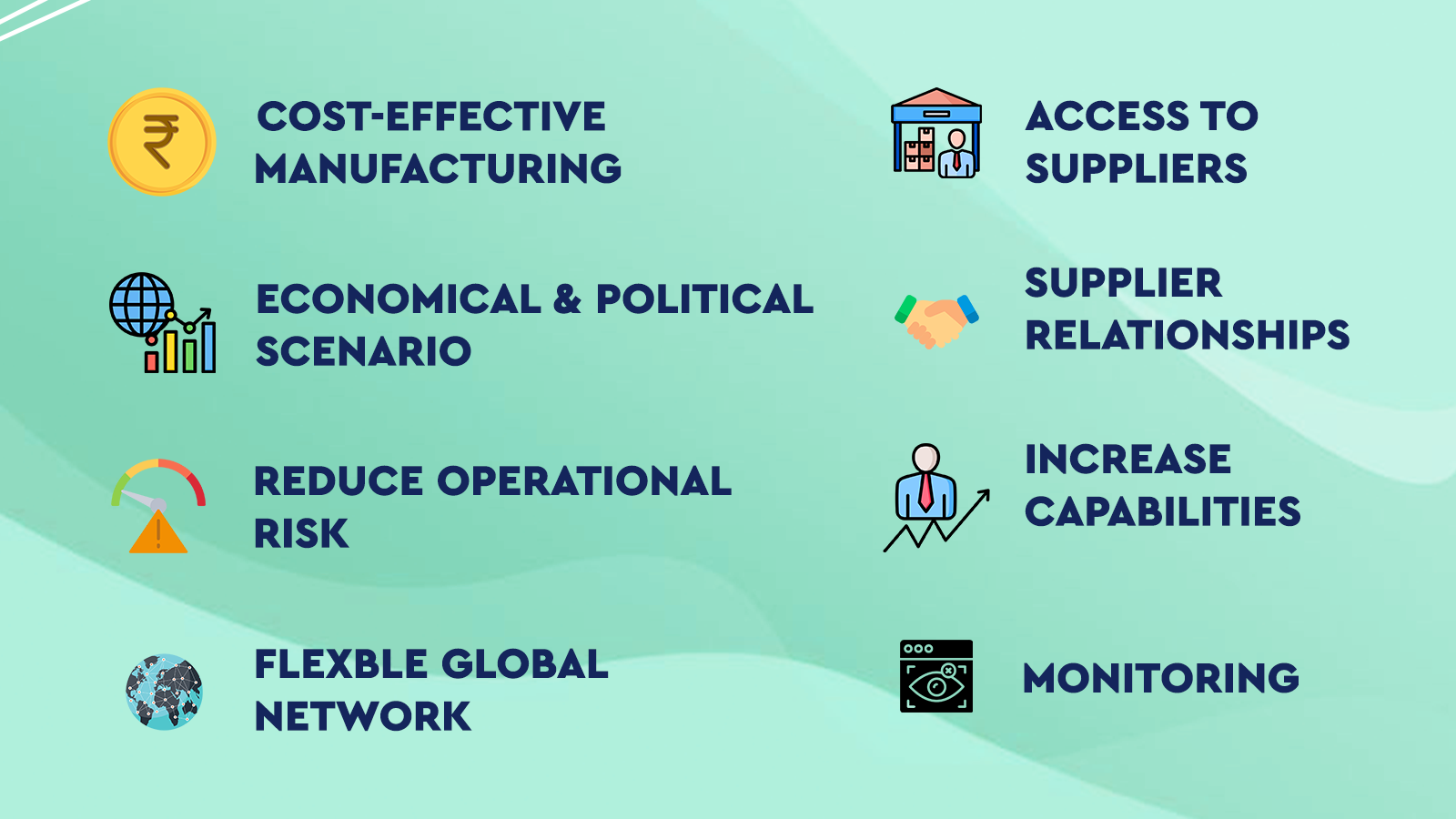
PROCUREMENT SOURCING
The Role of Procurement Support Organizations in Business Success
Procurement support organizations play a crucial role in helping businesses streamline their sourcing processes, reduce risks, and improve operational efficiency. From cost-effective manufacturing strategies to building robust supplier relationships, these organizations provide a range of services that can significantly impact a company's bottom line. Here’s an overview of the key roles procurement support organizations play:
Learn more