
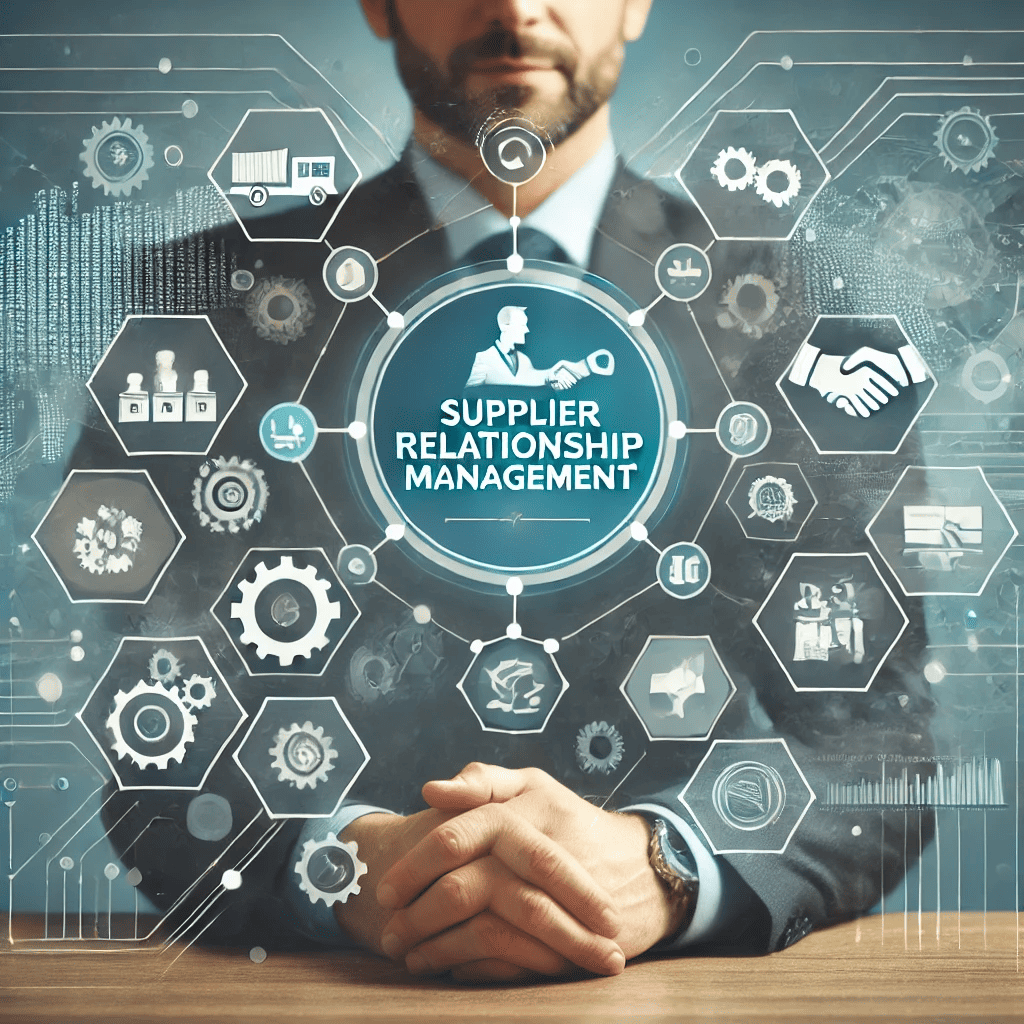
In today’s globalized market, Supplier Relationship Management (SRM) plays a pivotal role in determining the success of any business. Managing your relationship with suppliers is not just about securing the best price—it’s about fostering trust, ensuring quality, and building long-term partnerships that can adapt to market changes and business growth.
Whether you’re sourcing products locally or internationally, having a robust SRM strategy can significantly impact your operations, product quality, and overall business efficiency. At iSource India, we believe that successful supplier relationships are the cornerstone of smooth supply chains, consistent product quality, and sustainable business growth.
Here’s a guide to understanding Supplier Relationship Management and how to optimize it for long-term success.
What is Supplier Relationship Management (SRM)?
Supplier Relationship Management is a strategic approach to managing an organization’s interactions with the suppliers that provide goods and services. The goal of SRM is to streamline and enhance these relationships to maximize the value derived from supplier partnerships.
SRM isn’t just about transactions. It’s about collaboration, continuous improvement, and creating value for both your business and your suppliers. Companies that excel in SRM focus on fostering relationships that go beyond price negotiations, involving joint innovation, risk mitigation, and shared long-term goals.
Why Is SRM Important?
The importance of SRM goes beyond the immediate benefits of reducing costs or ensuring timely deliveries. Effective SRM leads to a range of advantages that position businesses to thrive in competitive markets:
1. Consistent Quality
Strong supplier relationships help ensure that your suppliers understand your quality standards and consistently meet them. This reduces the risk of defects and production delays.
2. Supply Chain Resilience
Suppliers who are invested in your business are more likely to support you during challenging times, whether it’s adapting to market fluctuations or addressing disruptions in the supply chain.
3. Innovation and Collaboration
Suppliers can be key partners in innovation. By working closely with them, you can develop new products, improve existing processes, and gain access to emerging technologies or materials.
4. Cost Optimization
SRM isn’t about short-term cost reductions—it’s about optimizing costs through long-term partnerships that enable volume discounts, improved efficiencies, and better financial terms.
5. Risk Management
Strong supplier relationships help identify potential risks early on. With open communication, both parties can work together to mitigate risks such as supply chain interruptions, quality issues, or regulatory changes.
Key Elements of Effective Supplier Relationship Management
At iSource India, we emphasize that successful SRM requires more than just selecting a supplier and signing a contract. Here are some of the core elements we focus on when managing supplier relationships:
1. Open and Transparent Communication
Open communication is the foundation of a strong supplier relationship. Regular updates on production timelines, quality expectations, and order volumes help ensure that both parties are aligned. By maintaining clear lines of communication, potential issues can be addressed proactively rather than reactively.
At iSource India, we prioritize transparent, ongoing dialogue with all our suppliers, ensuring that expectations are clearly understood from the beginning.
2. Mutual Trust and Respect
Trust is built over time through reliability, consistency, and integrity. Suppliers should trust that you will honor your agreements, while you should trust that they will deliver on their commitments. Mutual respect is crucial for navigating challenges and finding solutions together.
We view our suppliers as long-term partners, fostering trust and respect through consistent collaboration and ethical practices.
3. Supplier Performance Evaluation
A key aspect of SRM is continuously monitoring supplier performance. This involves tracking key metrics such as delivery times, product quality, compliance with regulations, and cost efficiency. Regular performance reviews help ensure that suppliers are meeting your expectations and provide an opportunity to discuss areas for improvement.
At iSource India, we conduct regular performance audits to ensure our suppliers adhere to the highest standards, allowing us to maintain superior quality control for our clients.
4. Collaboration and Joint Problem Solving
Instead of viewing suppliers as separate entities, treat them as extensions of your team. Collaborative problem solving, especially during production challenges or supply chain disruptions, strengthens relationships and leads to better outcomes.
We work hand-in-hand with our suppliers to tackle any challenges that arise, ensuring quick resolution and minimal impact on production.
5. Long-Term Strategic Alignment
The best supplier relationships are those that are built for the long haul. This involves ensuring that your suppliers’ long-term goals align with yours, whether it’s regarding sustainability, innovation, or market growth. A shared vision leads to stronger collaboration and a more resilient partnership.
Our approach at iSource India is to create sustainable partnerships that evolve with market demands, technological advancements, and shifting consumer preferences.
Best Practices for Supplier Relationship Management
To implement effective SRM in your business, consider these best practices:
1. Segment Suppliers
Not all suppliers are equal. Segment them based on their importance to your business, focusing more on strategic partners who provide essential or high-value products.
2. Invest in Relationships
SRM is a long-term commitment. Invest time and resources in building strong relationships, whether through regular meetings, performance reviews, or collaboration on projects.
3. Leverage Technology
Use SRM tools and software to manage supplier data, track performance, and streamline communication. This will help you stay on top of supplier interactions and ensure nothing falls through the cracks.
4. Provide Feedback
Constructive feedback is key to continuous improvement. Let your suppliers know how they’re performing and where they can improve to better support your business.
5. Focus on Continuous Improvement
SRM isn’t static—keep looking for ways to improve your relationships, processes, and outcomes. By continuously evolving, you’ll stay ahead of the competition.
The Field expediting can perform in two types.
Periodic Expediting and Field Expediting
The iSource India Approach to Supplier Relationship Management
At iSource India, we’ve built a robust SRM framework that focuses on creating long-lasting, mutually beneficial relationships with our suppliers. Here’s how we do it:
● Ethical Sourcing Practices: We only work with suppliers who share our commitment to ethical practices, including fair wages, safe working conditions, and sustainable manufacturing processes.
● Tailored Supplier Selection: We take the time to understand your specific product needs and connect you with suppliers that meet your exact specifications, ensuring optimal quality and cost-effectiveness.
● Quality Assurance: Our multi-tiered quality control process ensures that suppliers meet international standards, and we collaborate closely with them to maintain consistency throughout production.
With over 20 years of experience in sourcing from India, we know that strong supplier relationships are essential for maintaining product quality, on-time deliveries, and long-term success.
#SupplierRelationshipManagement #SRM #ProductSourcing #SupplyChainOptimization #ISourceIndia #BusinessGrowth #SupplierCollaboration #GlobalSupplyChain #ProcurementStrategy #QualityControl
By focusing on strategic partnerships and mutual growth, Supplier Relationship Management becomes a powerful tool for enhancing business performance. At iSource India, we’ve mastered the art of building supplier relationships that deliver long-term value, driving success for both our clients and our trusted suppliers.
Related Blog

EXPEDITING MANGEMENT
Expediting Excellence: Optimizing Workflow for Maximum Efficiency
Expediting means taking any action necessary to ensure that deliveries are made on time and to specification.
Learn more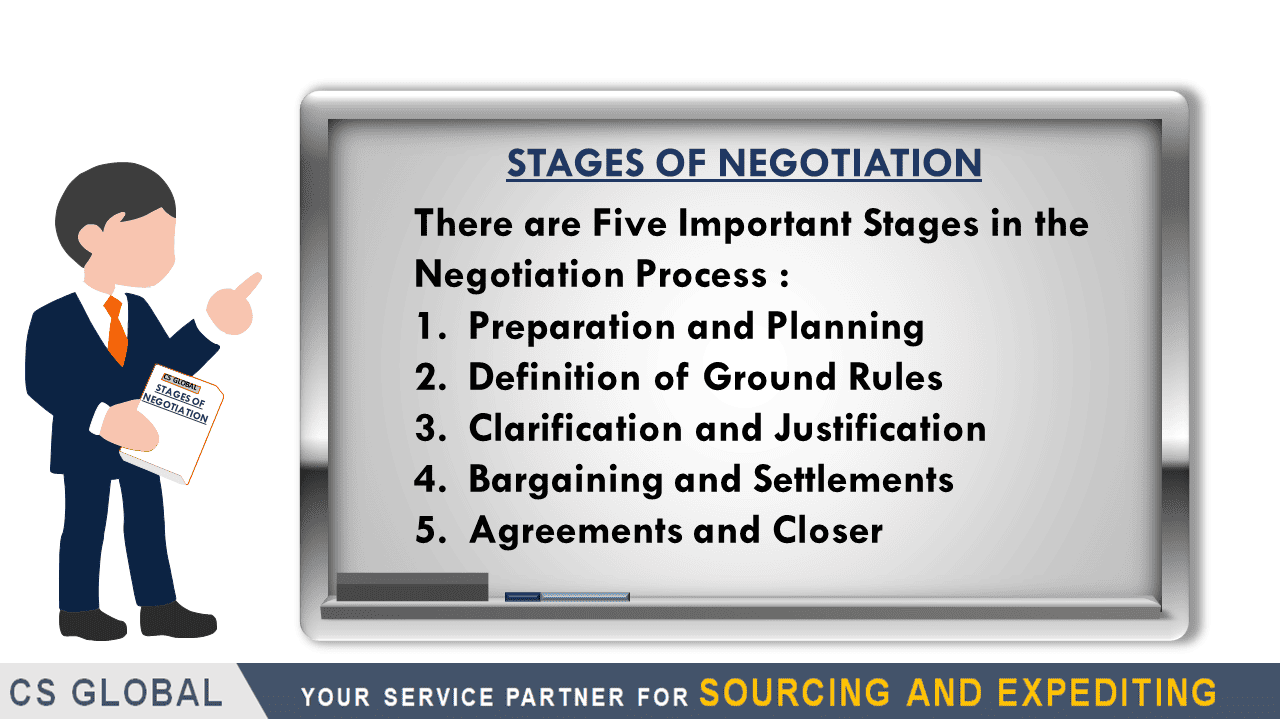
ISOURCE INDIA BLOG
Stages of Negotiation: Key Steps for Effective Agreements
Negotiation is a vital skill in business, ensuring that both parties reach mutually beneficial agreements. Below are the *five important stages* of the negotiation process
Learn more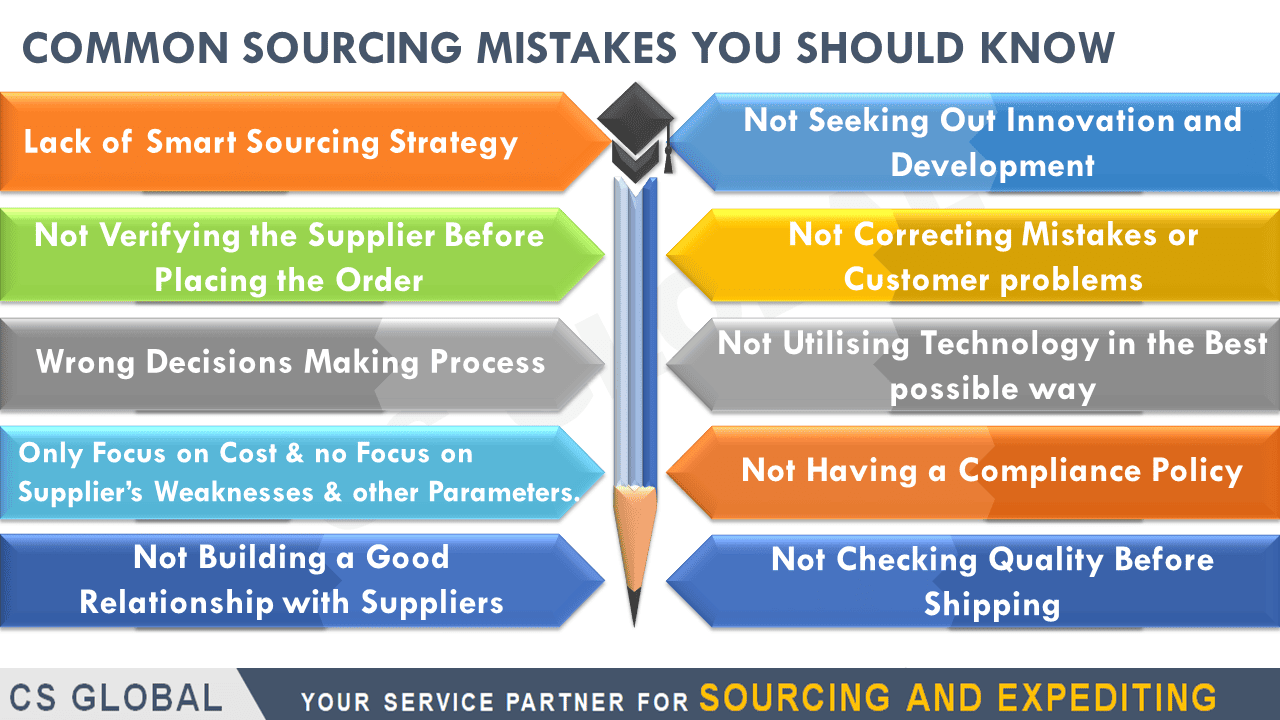
ISOURCE INDIA BLOG
Common Sourcing Mistakes You Should Avoid
Effective sourcing is crucial for the success of any business, but it’s easy to make mistakes that can negatively impact your operations. Here are some common sourcing mistakes you should avoid to ensure a smooth procurement process.
Learn more